10 Things Every Deer Hunter Should Know Post-Rut
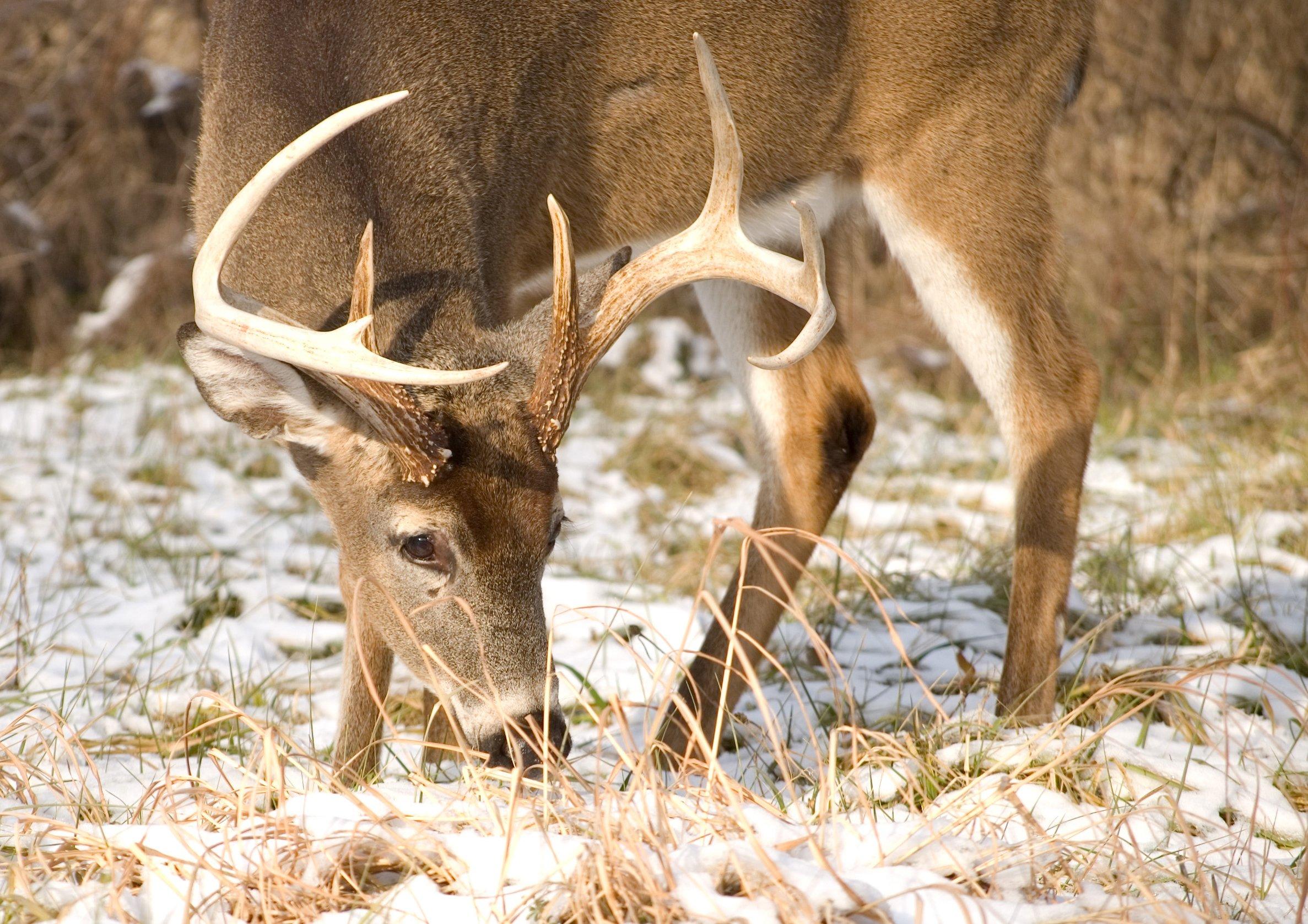
When the rut winds down, a lot of hunters hang up their gear and call it a season. Big mistake. Post-rut can be one of the best times of the year to tag a mature buck — if you understand how deer behavior shifts after the chaos of the rut. Bucks are worn down, food is limited, and pressure has changed how deer move.
Here are 10 things every hunter should know about post-rut deer hunting to stay in the game and maybe even tag your best buck of the season.
1. Bucks Are in Recovery Mode
During the rut, mature bucks burn a ton of energy chasing does and fighting other bucks. When the rut tapers off, survival becomes their top priority.
- They shift from breeding mode to recovery mode.
- Expect them to bed closer to secure cover and move with more caution.
- Their travel is more predictable again, often revolving around the best remaining food source.
If you can locate where a worn-down buck is recovering — thick cover near high-calorie food — you’re in business.
2. Food Becomes the Main Trigger for Movement
After the rut, food is everything. With colder temps and depleted fat reserves, deer need reliable calories.
Common late-season food sources include:
- Picked cornfields and bean fields (waste grain)
- Green food plots (brassicas, winter wheat, clover)
- Acorns still on the ground in some areas
- Browsing in cutovers or regenerating timber
Find the best food in your area and then look for the safest path a buck would take to get there from thick bedding cover. That’s where you want to be.
3. Deer Movement Shrinks to Tight, Safe Patterns
During the rut, bucks may roam far outside their normal home range. Post-rut, they tighten back up.
- Expect smaller movement circles centered on security and food.
- Bucks often use the same safe trails repeatedly, especially in low-pressure areas.
- Midday wandering drops off; movement focuses on early morning and late afternoon.
Trail cameras on travel corridors from bedding to food can show you these new “safe routes” quickly.
4. Hunting Pressure Matters More Than Ever
By post-rut, most deer have been educated by months of hunters coming and going.
Signs you’re dealing with pressured deer:
- Most movement is well after dark on fields.
- Mature bucks are only showing on camera near thick cover.
- Deer skirt open areas and take the nastiest routes they can.
To beat pressure:
- Hunt just off the obvious food sources, not right on top of them.
- Slip into spots where other hunters don’t want to go: steep ridges, nasty thickets, swamp edges.
- Be fanatical about entry and exit routes so you don’t blow your spots.
5. Weather Can Turn the Switch On
In the post-rut, cold fronts and rough weather can dramatically increase daylight activity.
Key weather patterns to watch:
- First real cold snap after a warm stretch
- Sudden temperature drops
- Light snow that quiets the woods and pushes deer to feed
- High-pressure, clear, cold evenings after a storm moves out
If bad weather aligns with late season and a hot food source, that’s the time to rearrange your schedule and hunt.
6. Late-Season Bedding Is Often Different
Bedding locations can shift after the rut and as weather changes.
Common post-rut bedding tendencies:
- South-facing slopes for warmth in cold weather
- Thick evergreens or brush that block wind
- Swamp edges or cutovers that offer both cover and nearby browse
- Bedding closer to food to minimize risky movement
Glass from a distance if you can, or study sign like beds, droppings, and heavily used trails leading into cover.
7. Some Does May Still Cycle In
While the main rut is over, not all does get bred the first time around. Some will come into heat again, triggering a secondary trickle rut.
What that means for you:
- You might still see a little chasing, especially with younger bucks.
- A mature buck may shadow a late-cycling doe near secure cover instead of cruising large areas.
- Fresh scrapes or new rubs can pop up near food or along tight travel corridors, even late in the season.
It’s not as intense as peak rut, but it’s still an opportunity if you notice new rut sign appear.
8. Post-Rut Shot Selection and Ethics Really Matter
By this time of year, deer have been through a lot. Bucks are worn down and winter is harsh.
Good post-rut ethics include:
- Only taking high-percentage shots inside your confident range.
- Letting marginal or rushed shots pass, even if it’s your “dream buck.”
- Respecting local regulations for seasons, legal weapons, and tagging.
Clean, quick kills and following your local laws are more important than filling a tag in a desperate end-of-season push.
9. Tracking Wounded Deer Is Harder — Be Prepared
Snow, frozen ground, and heavy cover can make tracking harder and easier, depending on conditions.
Smart tracking prep:
- Bring a good light, extra batteries, and a backup flashlight or headlamp.
- Pay attention to blood color and pattern before it’s wiped away by snow or rain.
- Mark last blood with tape or dropped markers so you can grid-search if needed.
- If it’s legal where you hunt, consider using a tracking dog service.
Plan for the track before you pull the trigger — especially late season when weather can erase sign fast.
10. Mental Toughness Wins the Post-Rut
Post-rut hunting can feel slow, cold, and discouraging. Many hunters have already quit. That’s your edge.
To stay in it:
- Set realistic goals: maybe your focus is on any mature deer, not just a giant.
- Use each sit to learn something: where deer aren’t moving is still data.
- Adjust instead of repeating the same unproductive setup. Move closer to cover, tweak timing, or change stand locations.
The hunters who stay disciplined, patient, and adaptable often tag their best deer when everyone else has already put their gear away.
Final Thoughts
The rut might get all the hype, but post-rut is far from “dead season.” If you understand how deer shift back to survival mode — prioritizing food, safety, and recovery — you can set up smarter hunts and catch a mature buck slipping up in daylight.
Dial in your late-season food sources, respect hunting pressure, watch the weather, and stay mentally tough. The tag you punch in the cold, quiet post-rut often becomes the one you’re proudest of.