Nature’s Bounty: Your Ultimate Guide to Foraging Edible Wild Plants
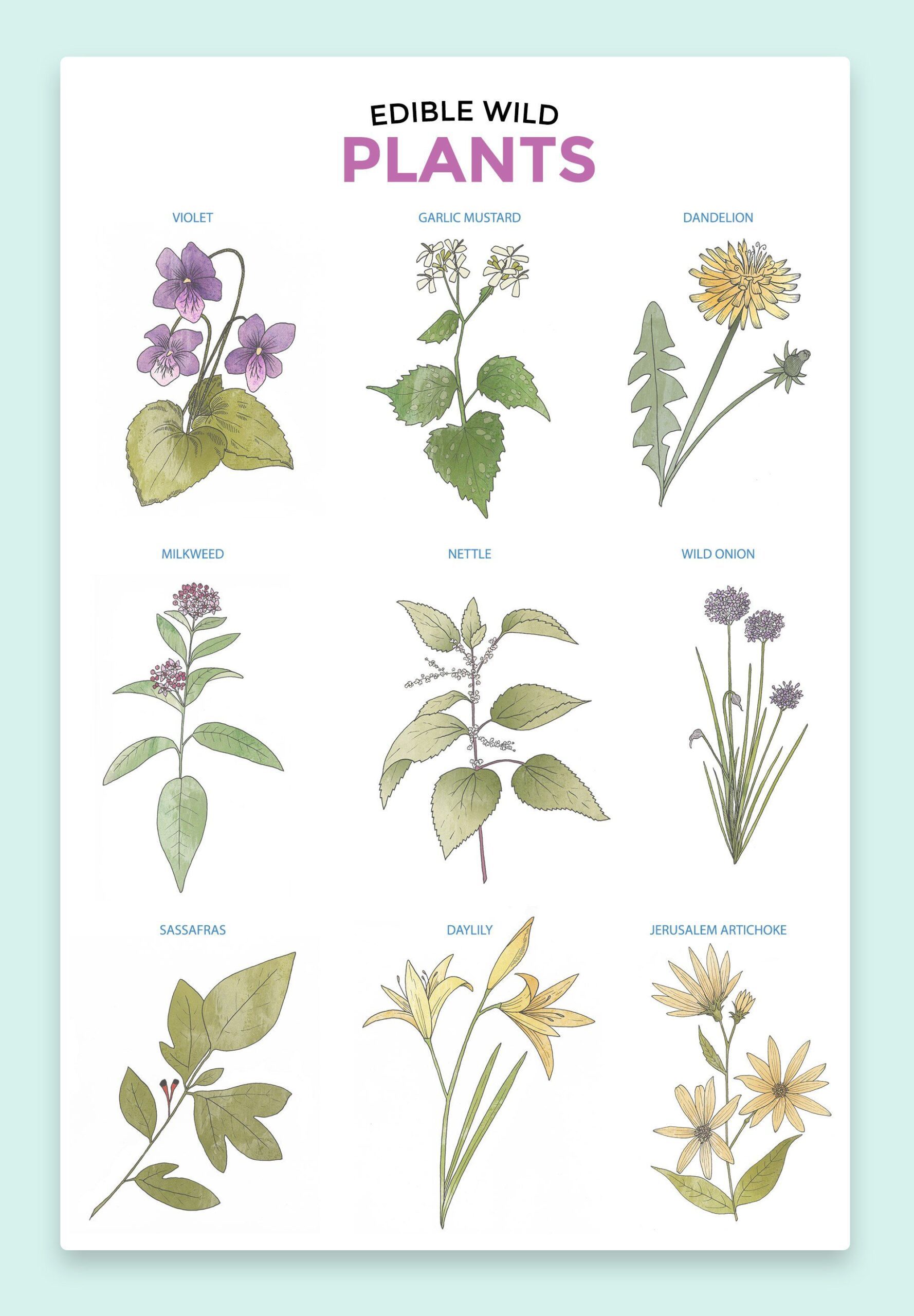
Nature’s Bounty: A Guide to Foraging Edible Wild Plants for Your Next Outdoor Adventure
Welcome, fellow nature enthusiasts! If you’re like me, there’s nothing quite as exhilarating as stepping into the great outdoors, surrounded by the beauty of nature. Today, we’re diving into the fascinating world of foraging—an age-old practice that not only connects us with the earth but also provides delicious, nutritious food straight from the wild. Let’s explore the basics of foraging, safety tips, seasonal plant availability, and even some mouthwatering recipes to inspire your next culinary adventure!
The Basics of Foraging: What You Need to Know
Foraging is the art of searching for and gathering wild food resources. While it may sound simple, it requires knowledge and respect for nature. Here are some essentials to get you started:
- Research and Learn: Invest time in understanding native plants and their habitats. Field guides and local foraging workshops can be invaluable.
- Know Your Plants: Familiarize yourself with both edible and toxic plants. Check out Portable Cooking Kit for Outdoor Adventures for more info.. Misidentification can lead to serious health risks.
- Harvest Responsibly: Take only what you need and leave enough for wildlife and plant regeneration. Follow the “One for Me, One for the Earth” rule.
Best Seasons for Foraging
Foraging is a seasonal activity, and knowing when to look for specific plants can greatly enhance your experience. Here’s a quick guide to what you can find throughout the year:
- Spring: Look for wild garlic, nettles, dandelion greens, and young shoots of plants like fiddleheads.
- Summer: Berries, such as blackberries, raspberries, and elderberries, are in their prime. You can also find delicious wild greens.
- Fall: Harvest mushrooms, acorns, and various nuts. This is also the season for foraging root vegetables like wild carrots and burdock.
- Winter: While foraging can be more challenging, you can still find evergreen needles and some hardy greens under the snow.
Safety First: Tips for Foraging Wisely
Before you head out with your basket, keep these safety tips in mind:
- Educate Yourself: Join local foraging groups or online communities to learn from experienced foragers.
- Test for Allergies: If trying a new plant, start with a small amount to check for any adverse reactions.
- Avoid Pollution: Steer clear of foraging near roadsides or contaminated areas, as plants may absorb harmful substances.
Foraging and Its Complement to Hunting and Fishing
Foraging beautifully complements hunting and fishing, enriching the country lifestyle. Check out Field Guide to Edible Wild Plants for more info.. Imagine returning from a day in the field with a fresh catch, and then enhancing your meal with wild herbs and greens you foraged along the way. Not only does this practice deepen your connection to the land, but it also encourages sustainable living.
Mouthwatering Recipes to Try
Now that you’ve gathered some wild goodies, let’s explore a couple of recipes that will make your taste buds dance:
Wild Greens Salad
Mix a variety of foraged greens like dandelion leaves, chickweed, and lamb’s quarters. Check out Foraging Basket for Wild Foods for more info.. Add some wildflowers for color, toss with olive oil, lemon juice, and a sprinkle of salt for a refreshing salad!
Berry Crisp
Combine your foraged berries with a bit of honey, oats, and nuts for a delightful crisp. Bake until golden and enjoy with a scoop of vanilla ice cream or yogurt.
Conclusion: Embrace Nature’s Bounty
Foraging for edible wild plants is not just a fun outdoor adventure; it’s a way to connect with nature and cultivate a deeper appreciation for the land we inhabit. Whether you’re adding wild ingredients to your meals or enjoying the simple pleasure of gathering, foraging offers a rewarding experience that enhances your country lifestyle.
So grab your basket, head outdoors, and embrace the adventure that awaits in nature’s bounty. Happy foraging!
“`
This blog post is designed to be SEO-optimized by including relevant keywords and phrases while providing valuable information to readers interested in foraging. The structure with headings and lists enhances readability and engagement.
Read next: Craft Your Dream Rustic Outdoor Kitchen: Essential Tips, Tools & Recipes
Read next: How to Incorporate Permaculture Practices into Everyday Life