The Ultimate Guide to Foraging: Discover Edible Wild Plants for Your Outdoor Adventures
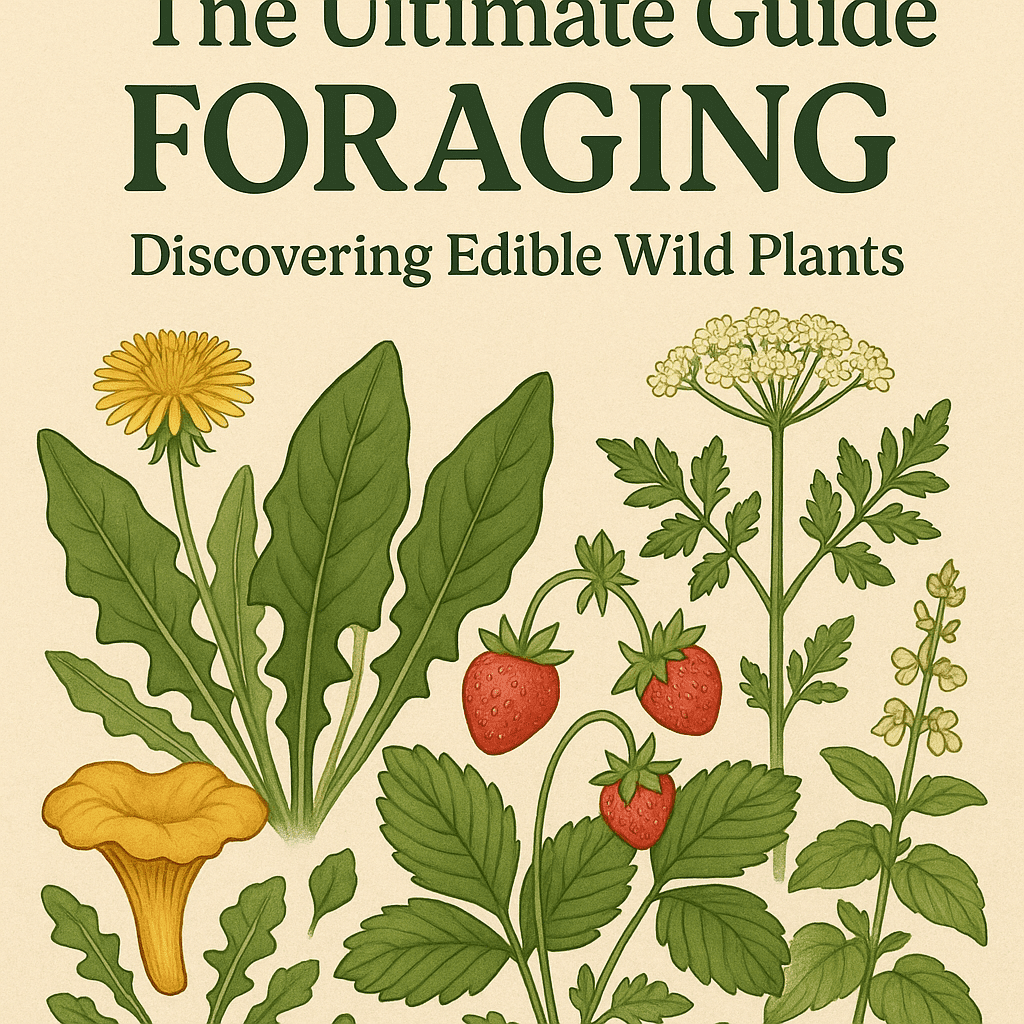
Welcome to the captivating world of foraging! Whether you’re a seasoned outdoor enthusiast or a curious beginner, foraging offers an incredible opportunity to connect with nature and enhance your culinary adventures. In this guide, we’ll explore the essentials of foraging, including tips for identifying edible plants, safety guidelines, seasonal recommendations, and simple recipes that bring the wild into your kitchen.
What is Foraging?
Foraging is the practice of searching for and gathering wild food resources. It can include everything from wild berries and greens to mushrooms and nuts. Foraging not only allows you to enjoy fresh, organic ingredients but also connects you deeply with the land you’re exploring.
Essential Foraging Tips
Before you set off on your foraging adventure, keep these essential tips in mind:
- Do Your Research: Familiarize yourself with local flora by using field guides or apps dedicated to plant identification.
- Start Small: Begin with a few easy-to-identify plants to build your confidence.
- Know Your Limits: Only forage in areas you are certain are free from pesticides and pollutants.
- Practice Sustainable Foraging: Take only what you need and leave enough for wildlife and future foragers.
Safety Guidelines for Foraging
Safety is paramount when foraging. Here are some guidelines to ensure a safe and enjoyable experience:
- Be Certain of Your Identification: Never consume a plant unless you are 100% sure it’s safe to eat.
- Watch for Allergies: Introduce new plants to your diet gradually, as some individuals may have allergies to certain wild foods.
- Consult Local Regulations: Some areas have restrictions on foraging, so it’s important to check local laws.
Seasonal Foraging Recommendations
Foraging varies by season. Here’s a quick guide to what you can find throughout the year:
Spring
- Wild Garlic: Often found in damp woods, its leaves and flowers are rich in flavor.
- Stinging Nettles: Great for soups and teas, just remember to wear gloves when handling them.
Summer
- Blackberries: Delicious and sweet, they’re ripe for picking in late summer.
- Dandelion Greens: Young leaves are tasty in salads or as cooked greens.
Autumn
- Mushrooms: Look for chanterelles and porcini, but be sure to consult a mushroom guide.
- Acorns: A wonderful nut that can be leached and ground into flour.
Winter
- Evergreen Trees: Pine needles can be used for tea, rich in vitamin C.
- Wild Roots: Some roots can be harvested during winter, but ensure you know which ones are edible.
Foraging Gear Essentials
Having the right gear can make your foraging adventure more enjoyable. Check out Foraging Field Guide for more info.. Check out Portable Water Filter for more info.. Check out Foraging Basket for more info.. Consider bringing along:
- A good field guide: A reliable plant identification book or app is essential.
- A foraging basket: Perfect for collecting your finds while allowing them to breathe.
- Gloves: Useful for handling prickly or potentially irritating plants.
- Small scissors or a knife: Ideal for harvesting herbs and greens.
Delicious Recipes Using Foraged Ingredients
Once you’ve gathered your foraged treasures, it’s time to get cooking! Here are a couple of simple recipes that incorporate wild plants:
Wild Garlic Pesto
- Ingredients:
- 2 cups wild garlic leaves
- 1/2 cup nuts (walnuts or pine nuts)
- 1/2 cup olive oil
- 1/4 cup grated Parmesan cheese
- Salt and pepper to taste
- Instructions:
- Blend wild garlic leaves, nuts, and cheese until finely chopped.
- Gradually add olive oil while blending until smooth.
- Season with salt and pepper. Enjoy as a dip or pasta sauce!
Berry Crumble
- Ingredients:
- 2 cups foraged berries (blackberries, blueberries, etc.)
- 1 cup oats
- 1/2 cup flour
- 1/2 cup brown sugar
- 1/4 cup melted butter
- Instructions:
- Preheat your oven to 350°F (175°C).
- Mix berries with a tablespoon of sugar in a baking dish.
- In a separate bowl, combine oats, flour, brown sugar, and melted butter.
- Spread the crumble mixture on top of the berries and bake for 30-35 minutes.
- Let cool slightly before serving. Perfect with a scoop of vanilla ice cream!
Conclusion
Foraging is not just about finding food; it’s about rediscovering
Read next: “Transform Your Backyard: 10 Rustic Outdoor Decor Ideas to Create a Cozy Country Retreat”
Read next: Nature’s Bounty: Your Ultimate Guide to Foraging Edible Wild Plants