A Complete Guide to Foraging and Cooking with Nature’s Bounty
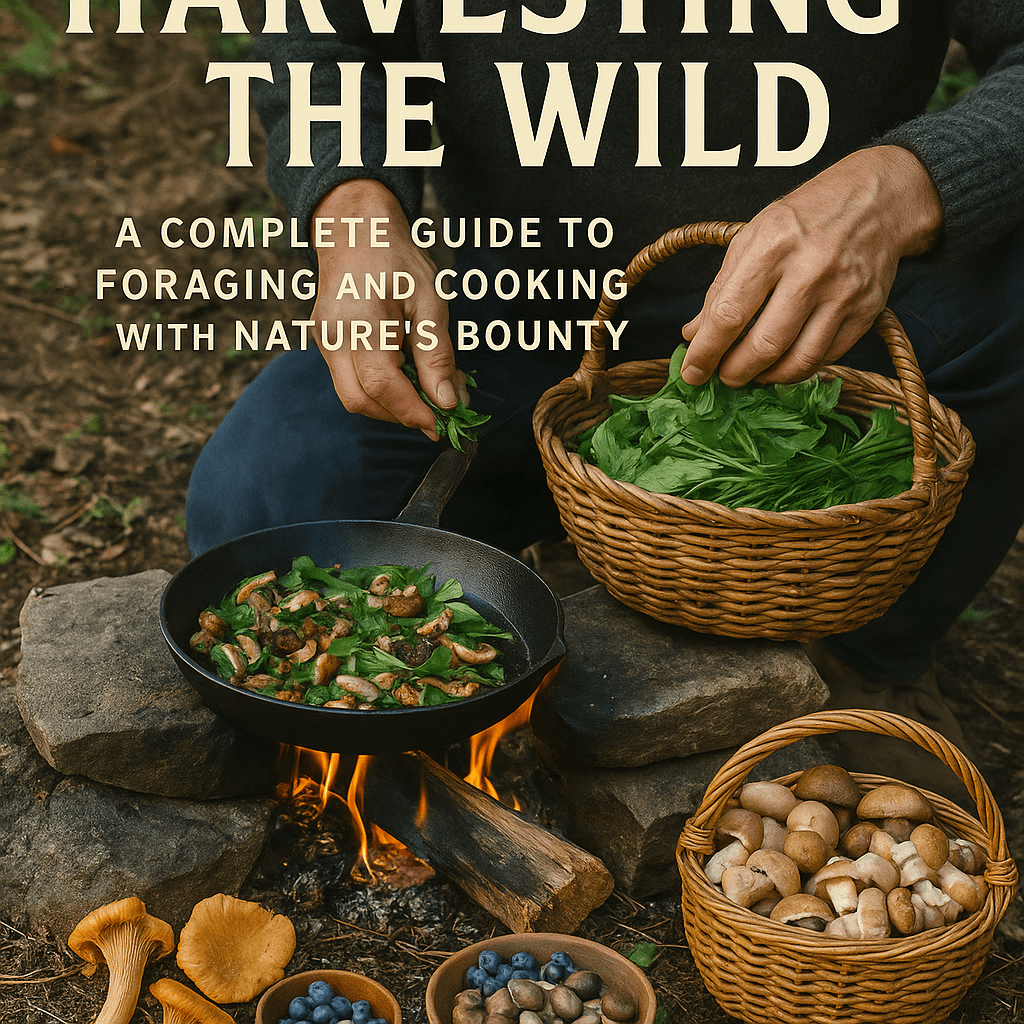
Harvesting the Wild: A Complete Guide to Foraging and Cooking with Nature’s Bounty
Welcome to the wonderful world of foraging! Whether you’re a seasoned expert or a curious beginner, there’s something magical about gathering food from nature. In this guide, we’ll explore everything you need to know about foraging and cooking with the wild edibles that nature provides. So grab your basket and let’s embark on this delicious adventure!
What is Foraging?
Foraging is the act of gathering wild food resources from their natural environment. This can include herbs, mushrooms, fruits, nuts, and edible plants. It’s a practice that connects you with nature and can enhance your culinary skills.
Essential Gear for Foraging
Before heading out into the wild, it’s essential to have the right gear. Here’s a handy list of items to bring along:
- Basket or Bag: A sturdy basket or bag is perfect for collecting your finds. Choose something breathable to avoid bruising delicate plants.
- Field Guide: A good field guide with illustrations can help you identify edible plants and mushrooms accurately.
- Knife: A sharp knife is handy for cutting herbs and mushrooms cleanly.
- Gloves: Protect your hands when handling certain plants or mushrooms, especially if you’re unsure about their edibility.
- Water Bottle: Stay hydrated as you explore the great outdoors!
Identifying Edible Wild Plants
One of the most rewarding aspects of foraging is identifying edible plants. Here are some common wild edibles to look out for:
- Dandelion: Every part of this plant is edible, from the flowers to the roots. Toss young leaves in salads or brew the roots for a caffeine-free coffee substitute.
- Wild Garlic: With its distinct garlicky aroma, wild garlic leaves can be used in pesto or as a seasoning for various dishes.
- Nettles: Rich in nutrients, young stinging nettles can be cooked into soups or used in herbal teas. Remember to wear gloves while handling them!
- Chickweed: A mild-flavored plant, chickweed is great for salads or as a garnish. Check out Foraging Basket with Breathable Design for more info.. Check out Insulated Water Bottle for Outdoor Adventures for more info.. Its tender leaves are best used fresh.
- Morel Mushrooms: Highly sought after by chefs, morels have a unique flavor. Check out Durable Gardening Gloves for Foraging for more info.. Make sure to identify them accurately as they have look-alikes that are poisonous!
Safety First: Foraging Tips
While foraging can be fun, safety should always be your priority. Here are some tips to ensure a safe foraging experience:
- Always confirm the identity of a plant before consuming it. Double-check with at least two reliable sources.
- Avoid foraging in areas that may have been treated with pesticides or herbicides.
- Start with small quantities when trying a new edible to see how your body reacts.
- Be mindful of local regulations regarding foraging in public lands.
Cooking with Wild Edibles
Once you’ve gathered your wild bounty, it’s time to get creative in the kitchen! Here are some cooking tips and easy recipes to try:
Cooking Tips
- Use wild herbs as a fresh flavor enhancer in sauces, salads, and marinades.
- Incorporate foraged mushrooms in risottos, omelets, or pasta dishes for an earthy flavor.
- Experiment with wild greens in smoothies or sautés for added nutrition.
- Make teas from wild herbs, like mint or lemon balm, for a refreshing drink.
Easy Recipe: Wild Greens Salad
Here’s a simple recipe to get you started with your foraged greens:
- Ingredients:
- 2 cups of assorted wild greens (dandelion, chickweed, etc.)
- 1 cup cherry tomatoes, halved
- 1/4 cup nuts (walnuts or pecans)
- Olive oil and vinegar for dressing
- Salt and pepper to taste
- Instructions:
- Rinse the wild greens thoroughly and
Recommended Gear
- Rinse the wild greens thoroughly and