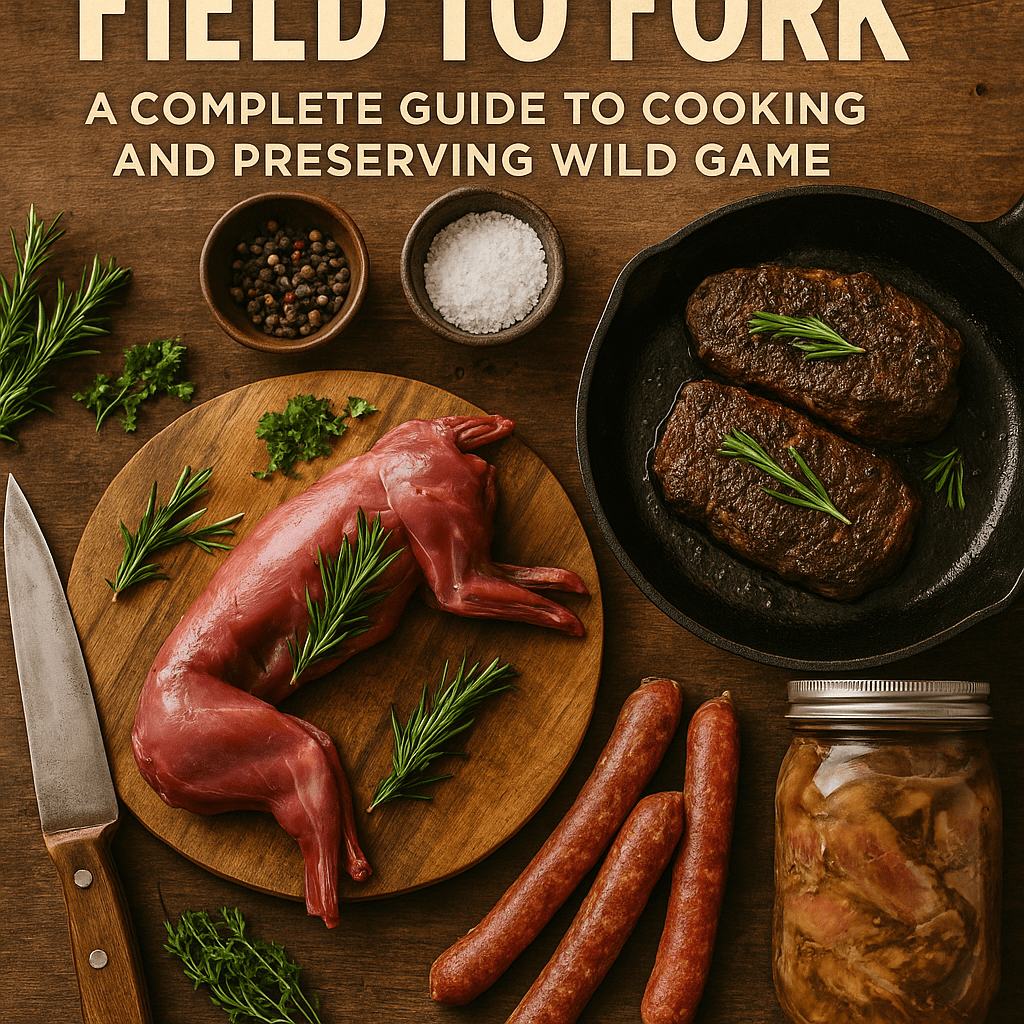
From Field to Fork: A Complete Guide to Cooking and Preserving Wild Game
“`html
Marinating Containers with Lids for more info.. Learn tips, techniques, and gear recommendations for a successful experience.”>
From Field to Fork: A Complete Guide to Cooking and Preserving Wild Game
Welcome, fellow outdoor enthusiasts and culinary adventurers! If you’ve ever taken the plunge into the world of hunting or foraging, you know that there’s nothing quite like the satisfaction of enjoying your hard-earned meal. In this guide, we’ll take a deep dive into cooking and preserving wild game, helping you create mouth-watering dishes while respecting the bounty of nature.
Understanding Wild Game
Wild game includes a variety of animals such as deer, elk, rabbit, and waterfowl. Each type of game has its unique flavor profile and cooking requirements. Here’s a quick overview:
- Deer: Lean and flavorful, deer meat (venison) is best when marinated and cooked to medium-rare.
- Elk: Similar to venison but even leaner, elk meat is rich in iron and can be used in various dishes.
- Rabbit: Tender and mild, rabbit is often compared to chicken and can be roasted, stewed, or grilled.
- Waterfowl: Ducks and geese offer a rich, gamey flavor. They are best cooked using moist heat methods to keep them juicy.
Essential Gear for Field to Fork
Before you head out into the wild, having the right gear is essential. Here’s a list of must-have items:
- Hunting Knife: A sharp, durable knife is crucial for field dressing your game.
- Game Bags: Use breathable game bags to keep your meat clean and cool.
- Cooler: A good cooler will keep your game fresh during transportation.
- Meat Grinder: This is essential for making ground meat for burgers or sausages.
- Vacuum Sealer: Preserving your game in vacuum-sealed bags can extend its shelf life significantly.
Cooking Techniques for Wild Game
Cooking wild game requires a bit of finesse. Here are some tried-and-true techniques:
- Marinating: Marinate your game meat in a mixture of acid (like vinegar or citrus), herbs, and oil for a few hours to enhance its flavor.
- Slow Cooking: Tough cuts, like shanks or neck, benefit from slow cooking methods such as braising or stewing.
- Grilling: Steaks from tender cuts can be grilled for a smoky flavor. Check out Heavy-Duty Cooler for more info.. Remember to keep an eye on the cooking time to avoid overcooking.
- Smoking: Smoking adds depth to the flavor of game meat. Use wood chips for a unique taste.
Preserving Your Wild Game
Once you’ve harvested your game, it’s important to preserve it properly. Here are some methods:
- Freezing: Cut your game into manageable portions and vacuum seal them before freezing.
- Canning: You can pressure can wild game for long-term storage. Recipes vary, but a basic meat canning guide includes packing cooked meat into jars with broth.
- Jerky Making: Homemade jerky is a delicious way to preserve your game. Check out High-Quality Hunting Knife for more info.. Simply marinate strips of meat and dehydrate them.
Delicious Wild Game Recipes
To get you started, here are a couple of recipes you’ll love:
Venison Chili
- Ingredients: Ground venison, kidney beans, tomatoes, chili spices, onion, garlic.
- Instructions: Brown the venison with onion and garlic, add beans and tomatoes, season, and simmer for 30 minutes.
Grilled Elk Steaks
- Ingredients: Elk steaks, olive oil, garlic, rosemary, salt, and pepper.
- Instructions: Marinate the steaks for at least 2 hours, preheat the grill, cook to medium-rare, and serve.
Conclusion
Cooking and preserving wild game is a rewarding experience that connects you with nature and provides nourishing meals for you and your family. Equip yourself with the right gear, learn various cooking techniques, and don’t forget to share your culinary creations with friends and family. Remember, every meal is a story waiting to be told—from field to fork!
So, roll up your sleeves, embrace the country lifestyle, and enjoy the fruits of your labor. Happy cooking!