Harvesting Nature’s Bounty: A Guide to Foraging Wild Edibles for Your Next Outdoor Feast
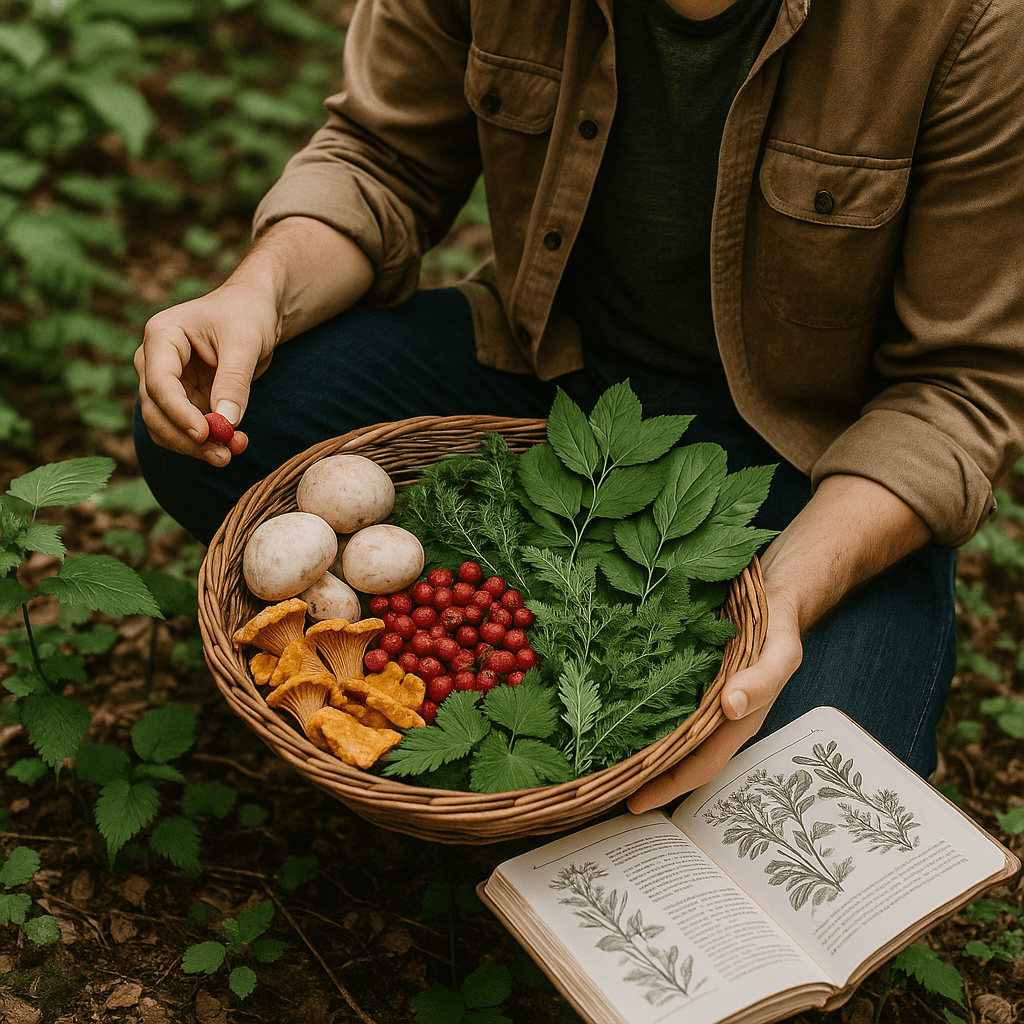
Harvesting Nature’s Bounty: A Guide to Foraging Wild Edibles for Your Next Outdoor Feast
Howdy, fellow nature lovers! If you’re looking to enhance your outdoor dining experience, foraging for wild edibles is a delightful way to connect with nature while savoring its delicious offerings. Whether you’re a seasoned forager or just starting out, this guide will help you navigate the lush world of edible plants, mushrooms, and more. So grab your basket, and let’s dive into the wonderful world of foraging!
Understanding Foraging: The Basics
Foraging is the practice of searching for and gathering wild food resources. It’s not just about filling your basket; it’s a chance to explore nature, learn about local ecosystems, and support sustainable practices. Here are some important tips to keep in mind:
- Know Your Local Laws: Before you set out, familiarize yourself with local regulations regarding foraging. Check out Plant and Mushroom Field Guide for more info.. Check out Folding Pocket Knife for Foraging for more info.. Some areas have protected species, and it’s crucial to respect the environment.
- Identify Edible Species: Invest time in learning to identify plants and mushrooms. Check out Portable Camp Stove for Cooking Wild Edibles for more info.. There are many field guides and apps that can help you with this.
- Sustainable Harvesting: Always take only what you need, and leave enough for wildlife and future growth.
Essential Gear for Foraging
To make the most of your foraging adventure, having the right gear is essential. Here’s a checklist of items to bring along:
- Basket or Bag: A woven basket is ideal for carrying your finds, allowing them to breathe.
- Field Guide: A local plant and mushroom identification book will help you confidently identify edibles.
- Knife: A small knife or foraging tool is handy for harvesting roots and cutting herbs.
- Gloves: Protect your hands from thorns, stinging plants, and dirt.
- Water Bottle: Stay hydrated while you explore the great outdoors!
Popular Wild Edibles to Forage
Now that you’re equipped, let’s explore some popular wild edibles you can forage in your area:
Greens and Herbs
- Dandelion: Both the leaves and flowers are edible and can be used in salads or brewed into tea.
- Nettle: This nutritious green can be cooked to reduce its sting and added to soups or pesto.
- Wild Garlic: With its pungent aroma, wild garlic is perfect for seasoning dishes or making homemade garlic butter.
Fruits and Berries
- Blackberries: Sweet and juicy, these berries can be eaten fresh, made into jams, or used in desserts.
- Cranberries: Forage them in wet areas; they can be used in sauces or baked goods.
- Wild Apples: Often smaller than cultivated varieties, wild apples are great for making cider or preserves.
Mushrooms
- Chanterelles: These golden mushrooms have a delicate flavor and can be sautéed or added to risottos.
- Morels: Highly sought after, morels can be grilled, stuffed, or used in gourmet dishes.
- Oyster Mushrooms: Commonly found on decaying wood, these mushrooms are delicious in stir-fries and soups.
Cooking Tips for Your Foraged Feast
Once you’ve gathered your wild edibles, it’s time to get cooking! Here are some tips to elevate your outdoor feast:
- Simple Preparations: Foraged greens are often best enjoyed lightly sautéed with olive oil and garlic.
- Experiment: Combine various foraged ingredients in salads, soups, or stir-fries for unique flavors.
- Preserve: Consider making jams, pickles, or drying herbs to enjoy your harvest long after the season ends.
Join the Foraging Community
Foraging can be a delightful solo activity or a fun group adventure! Consider joining local foraging groups or workshops where you can learn and share tips with fellow enthusiasts. Instagram and Facebook have vibrant communities dedicated to foraging, where you can share your finds, ask questions, and get inspired.
Conclusion: Reap What You Sow
Foraging for wild edibles is not only a rewarding way to enhance