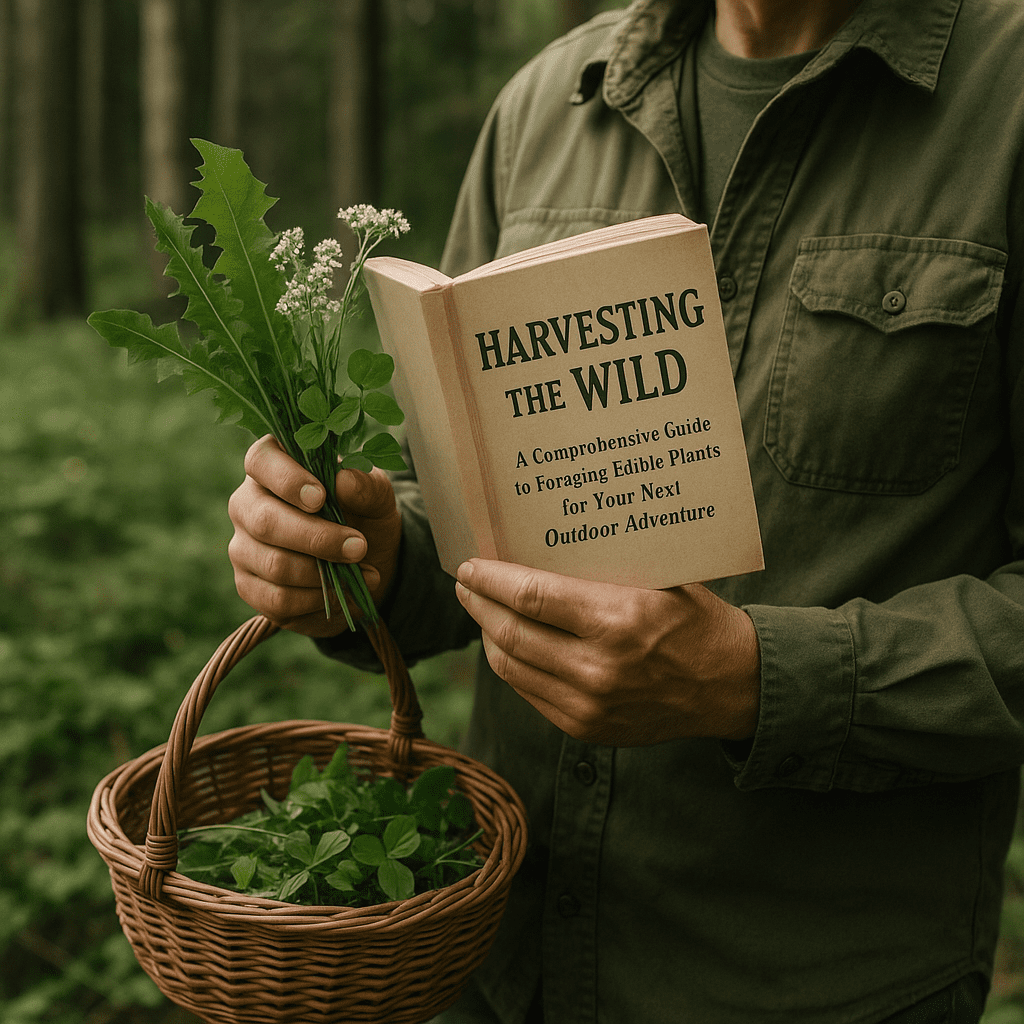
Harvesting the Wild: A Comprehensive Guide to Foraging Edible Plants for Your Next Outdoor Adventure
“`html
Harvesting the Wild: A Comprehensive Guide to Foraging Edible Plants for Your Next Outdoor Adventure
Are you ready to embark on an adventure that connects you with nature and brings fresh, wild flavors to your table? Foraging for edible plants is a delightful way to explore the great outdoors while learning about the natural world around you. Check out Heavy-Duty Gardening Gloves for more info.. Check out Snack Bar Variety Pack for Energy During Foraging Adventures for more info.. In this friendly guide, we’ll cover everything you need to know to get started with foraging, from identifying plants to cooking tips that will make your wild meals shine.
Why Forage?
Foraging is more than just a trend; it’s a way to embrace a sustainable lifestyle that respects nature. Here are some of the benefits of foraging:
- Freshness: Wild plants are often packed with flavor and nutrients.
- Adventure: Foraging encourages you to explore new areas and connect with nature.
- Sustainability: You’re harvesting food in a way that respects the ecosystem.
- Education: Learning about local flora enhances your knowledge of the environment.
Getting Started with Foraging
Before you head out into the wild, it’s essential to be prepared. Check out Folding Pocket Knife for Foraging for more info.. Here’s a checklist of gear you’ll need for a successful foraging trip:
- Foraging Guidebook: A reputable guidebook will help you identify edible plants.
- Basket or Cloth Bag: Use these for collecting your finds without damaging them.
- Sharp Knife: This will help you cut plants neatly and safely.
- Gloves: Protect your hands from thorns or irritants.
- Water and Snacks: Keep hydrated and energized during your adventure.
Identifying Edible Plants
Identifying edible plants is crucial to safe foraging. Here are some popular wild edibles you might find:
- Dandelion (Taraxacum officinale): This common weed has edible leaves, flowers, and roots. They are rich in vitamins A and C.
- Chickweed (Stellaria media): A mild and nutritious green, perfect for salads or as a cooked green.
- Wild Garlic (Allium vineale): Identified by its distinct smell, the leaves and flowers are great for seasoning dishes.
- Fiddleheads: Young ferns that are delicious when steamed or sautéed.
Foraging Safety Tips
While foraging can be fun, it’s vital to ensure your safety. Here are some essential tips:
- Always positively identify: Never consume a plant unless you’re 100% sure of its identity.
- Avoid polluted areas: Stay away from roadsides, industrial sites, or areas treated with chemicals.
- Start small: Begin with a few, well-known plants before expanding your foraging horizons.
Cooking with Wild Edibles
Once you’ve gathered your wild ingredients, it’s time to get cooking! Here are some simple and delicious ways to prepare your foraged finds:
- Wild Green Salad: Toss dandelion leaves, chickweed, and wild garlic with a light vinaigrette.
- Sautéed Fiddleheads: Quickly sauté fiddleheads with olive oil, garlic, and a pinch of salt.
- Dandelion Tea: Steep dandelion flowers in hot water for a refreshing herbal tea.
Join the Foraging Community
One of the most enriching aspects of foraging is the community you can build. Here are a few ways to connect with fellow foragers:
- Foraging Workshops: Check local listings for workshops that teach foraging skills.
- Online Forums: Join forums or social media groups dedicated to foraging.
- Local Farmers’ Markets: Engage with local farmers to learn more about wild edibles.
Conclusion
Foraging for edible plants is a rewarding way to experience nature and enjoy fresh, healthy food. With the