How to Incorporate Permaculture Practices into Everyday Life
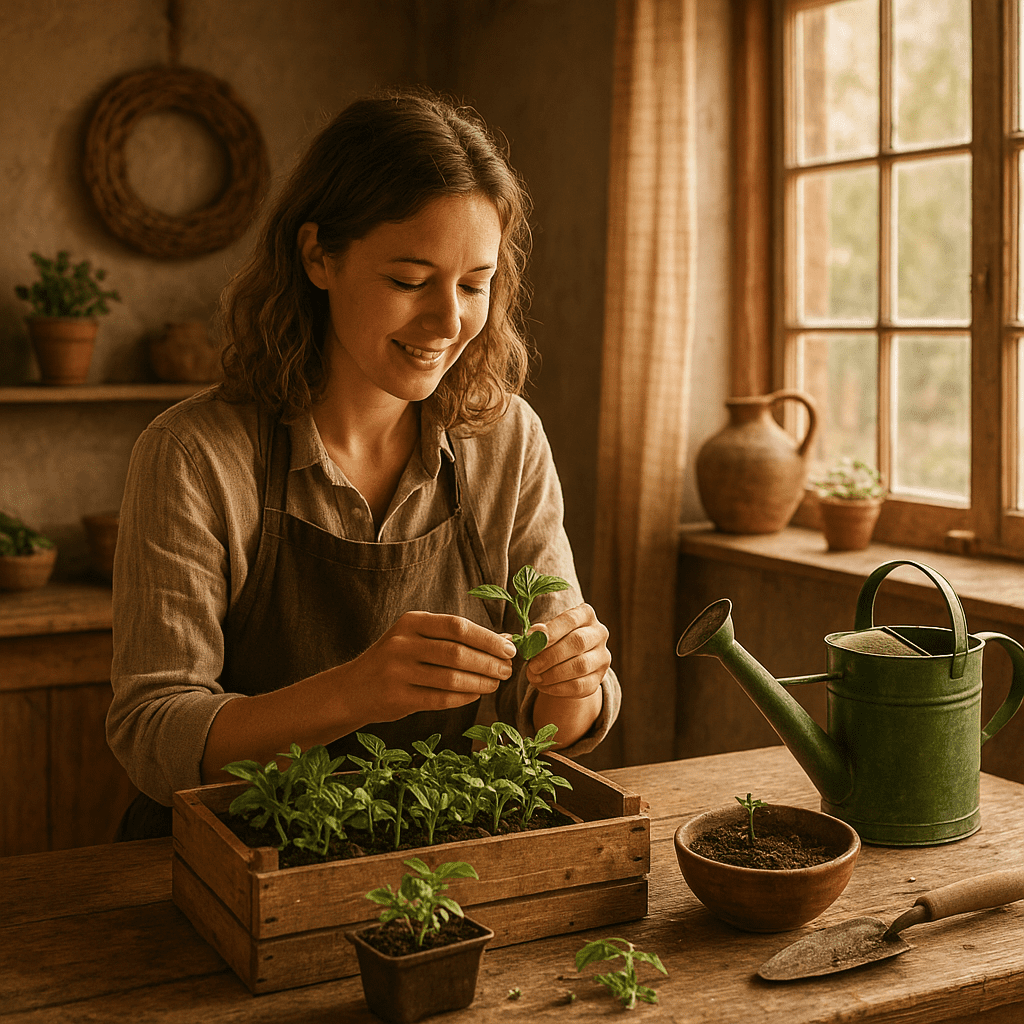
How to Incorporate Permaculture Practices into Everyday Life
In today’s fast-paced world, it can be easy to overlook our relationship with nature. However, incorporating permaculture practices into our everyday lives—especially in sustainable gardening, water conservation, and promoting biodiversity—can help us reconnect with the earth and make a positive impact. In this blog post, we’ll explore how you can seamlessly integrate these principles into your daily routine. So grab a cup of herbal tea, sit back, and let’s dive into the world of permaculture.
Understanding Permaculture: The Foundation of Sustainable Living
Permaculture, a term derived from “permanent agriculture” and “permanent culture,” emphasizes creating sustainable and self-sufficient ecosystems. By mimicking natural systems, we can produce food and resources while maintaining balance and health in our environment. Whether you live on a sprawling homestead or a small urban balcony, there are ways to incorporate permaculture principles into your life.
Sustainable Gardening: Your Green Sanctuary
One of the most fulfilling ways to practice permaculture is through sustainable gardening. Here are some tips to get started:
1. Start with Soil Health
Healthy soil is the backbone of a thriving garden. Consider employing organic practices such as composting, mulching, and using cover crops. Composting kitchen scraps and yard waste not only enriches your soil but also reduces landfill waste. When you nurture your soil, you’re setting the stage for a flourishing garden that can sustain plants for years to come.
2. Choose Native Plants
Native plants are adapted to your local climate and soil, making them hardier and more resilient. They also support local wildlife, such as bees and butterflies, which play a crucial role in pollination. Research which plants thrive in your region, and design your garden with these native species to bolster biodiversity while requiring less water and maintenance.
3. Implement Companion Planting
Companion planting is a permaculture technique where plants are grown together to enhance growth, deter pests, and attract beneficial insects. For instance, planting marigolds among your vegetables can help ward off harmful insects while attracting pollinators. This not only enhances your garden’s productivity but also fosters a harmonious ecosystem.
Water Conservation: Protecting Our Most Precious Resource
Water conservation is essential in permaculture, as it helps create resilient landscapes that thrive even in dry periods. Here’s how to conserve water effectively:
1. Harvest Rainwater
Collecting rainwater is an ancient practice that can save you money and minimize your water usage. Set up a rain barrel to collect runoff from your roof—this water can be used to irrigate your garden during drier months. This simple step fosters a sustainable approach to your water usage while reducing strain on municipal water systems.
2. Use Drip Irrigation
Instead of traditional sprinklers, consider a drip irrigation system. This method delivers water directly to the base of your plants, minimizing evaporation and runoff. It’s an efficient way to ensure your plants receive the hydration they need without wasting our valuable water resources.
3. Practice Mulching
Mulching is another excellent way to conserve water in your garden. A thick layer of organic mulch—such as straw, wood chips, or grass clippings—can retain moisture in the soil, suppress weeds, and improve soil quality as it decomposes. Not only will this save water, but it also enhances the overall health of your garden.
Biodiversity: Cultivating a Thriving Ecosystem
Biodiversity supports resilience in our ecosystems, allowing them to adapt to changes and thrive. Here are some ways to promote biodiversity in your everyday life:
1. Create Habitat Areas
Set aside space in your garden for wildlife. Planting a variety of trees, shrubs, and flowers will attract birds, insects, and other beneficial wildlife. Adding birdhouses or insect hotels can further encourage different species to thrive in your garden, creating a bustling habitat.
2. Avoid Chemical Inputs
Chemical fertilizers and pesticides can harm local ecosystems and reduce biodiversity. Instead, turn to organic and natural gardening methods that promote healthy soil and plants. Use beneficial insects like ladybugs for pest control or companion plants like basil that repel harmful pests naturally.
3. Educate and Inspire Others
Permaculture is about sharing knowledge and fostering community. Offer workshops, write blogs, or engage with your neighbors about the benefits of sustainable practices. Encouraging others to adopt permaculture principles can lead to a ripple effect, creating a greater impact on local biodiversity.
Final Thoughts: Embrace the Permaculture Lifestyle
Incorporating permaculture practices into your everyday life isn’t just a trend; it’s a necessary shift towards sustainability and environmental stewardship. Whether you’re tending to a small herb garden, conserving water, or fostering a diverse ecosystem in your backyard, every small action contributes to a larger, healthier planet.
If you’re interested in exploring more rustic living ideas, check out our [Farmhouse Decor Guide](https://thesaxonblog.com/farmhouse-decor-guide) or delve into some practical [Hunting Gear Tips](https://thesaxonblog.com/hunting-gear-tips) for a life closer to nature.
For additional insights and tips, you can explore resources from [Outdoor Life](https://www.outdoorlife.com/) and [Country Living](https://www.countryliving.com/), where you can discover how to enhance your connection to nature.
So why wait? Start small, embrace the beauty of permaculture, and see how even the simplest practices can bring about profound change in your life and community. What will you implement first?