The Ultimate Guide to Foraging: Discovering Edible Wild Plants for Your Next Outdoor Adventure
“`html
The Ultimate Guide to Foraging: Discovering Edible Wild Plants for Your Next Outdoor Adventure
Welcome to the wonderful world of foraging! Whether you’re passionate about sustainable living, an outdoor enthusiast, or simply looking to spice up your meals with fresh, wild ingredients, foraging can be a rewarding adventure. In this guide, we’ll explore everything you need to know about finding and identifying edible wild plants, along with practical tips, essential gear, and delicious cooking ideas.
What is Foraging?
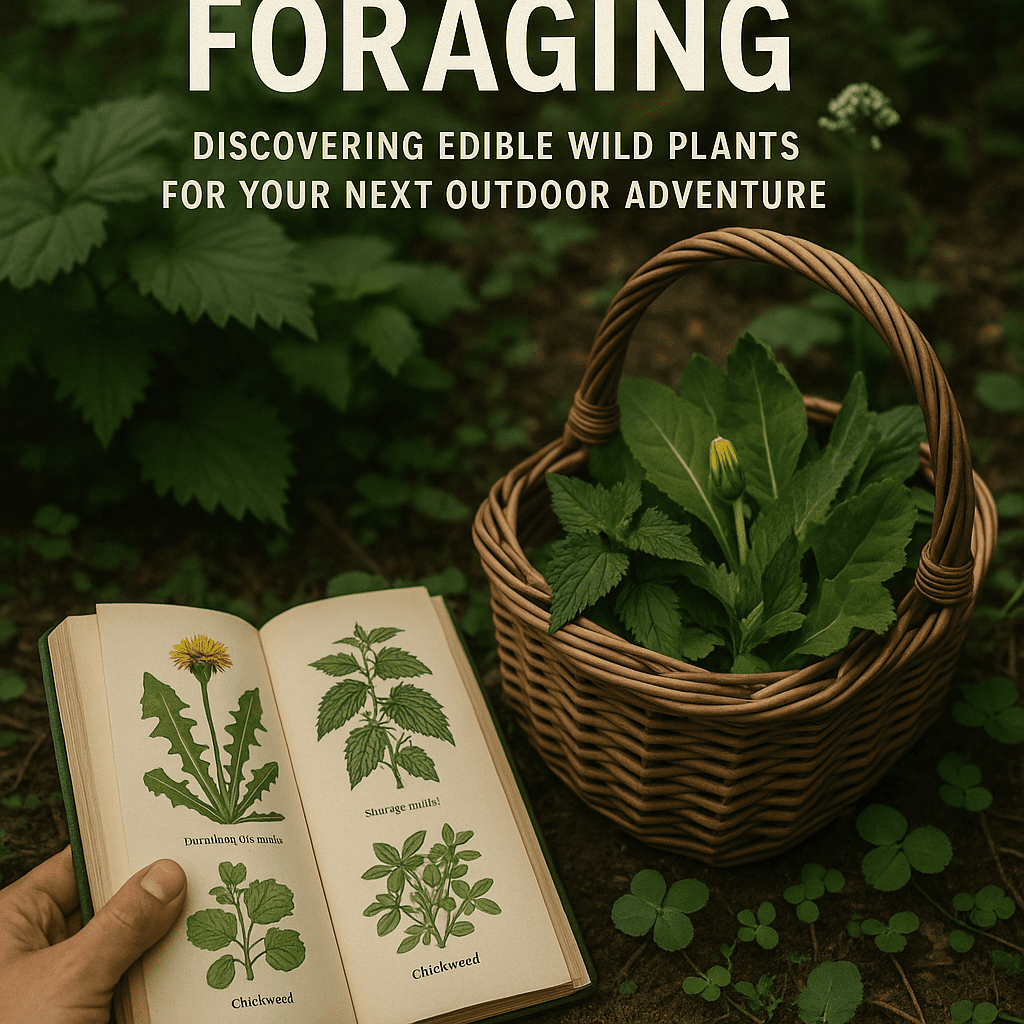
Foraging is the practice of searching for and gathering wild food resources. This can include a variety of plants such as herbs, fruits, nuts, and mushrooms. Check out Foraging Basket with Leather Handle for more info.. Not only is it a fantastic way to connect with nature, but it also offers a chance to enjoy fresh, organic ingredients right from the earth.
Essential Gear for Your Foraging Adventure
- Foraging Basket: A sturdy basket is essential for carrying your finds. Check out Insulated Water Bottle with Built-in Filter for more info.. Check out Portable Camping Cookbook for Wild Ingredients for more info.. Look for one with a wide base to prevent crushing delicate plants.
- Field Guide: Invest in a good field guide specific to your region. This will help you identify edible plants and avoid harmful species.
- Knife: A small, sharp knife is useful for cutting herbs and digging up roots.
- Gloves: Protect your hands from thorns and irritants, especially when foraging for berries or nettles.
- Water Bottle: Stay hydrated as you explore the great outdoors!
Top Edible Wild Plants to Forage
Here are some common edible plants to get you started on your foraging journey:
- Dandelion: Every part of this plant is edible! Try the leaves in salads, the flowers in wine, and the roots as a coffee substitute.
- Wild Garlic: Often found in woodlands, its leaves and flowers are great for flavoring dishes.
- Chickweed: A nutritious green that can be used fresh in salads or cooked like spinach.
- Purslane: This succulent plant is high in omega-3 fatty acids and makes a tasty addition to salads.
- Blackberries: A sweet, wild fruit perfect for foraging from late summer to early autumn. Use them in desserts, jams, or simply enjoy fresh.
Foraging Safety: Know Before You Go
Before you start foraging, it’s important to understand safety guidelines:
- Identify Clearly: Always positively identify a plant before consuming it. If unsure, consult your field guide or an expert.
- Avoid Polluted Areas: Stay away from areas near roadsides, industrial sites, or places where chemicals may have been used.
- Harvest Responsibly: Take only what you need, and always leave enough for wildlife and future growth.
Cooking Tips for Your Foraged Finds
Once you’ve successfully foraged some wild plants, it’s time to get cooking! Here are some tips:
- Fresh Salads: Mix wild greens like dandelion and chickweed with your favorite salad dressings for a nutritious boost.
- Herbal Teas: Steep wild herbs in hot water for a refreshing and medicinal drink.
- Wild Pesto: Blend wild garlic leaves with nuts, cheese, and olive oil for a unique twist on traditional pesto.
- Preserving: Consider making jams or syrups with foraged berries to enjoy year-round.
Join a Foraging Community
Connecting with fellow foragers can enhance your experience. Look for local foraging groups or workshops. Not only will you learn more about the plants in your area, but you’ll also make lasting friendships!
Conclusion
Foraging is a beautiful way to immerse yourself in nature while discovering delicious and nutritious wild plants. Armed with the right gear, knowledge, and enthusiasm, you’re ready to embark on your next outdoor adventure. Remember to forage responsibly and share your findings with friends and family. Happy foraging!
“`